| Time | TBA |
| Location | TBA |
| Capacity | TBA |
Start making sense: the politics of smart doorbells
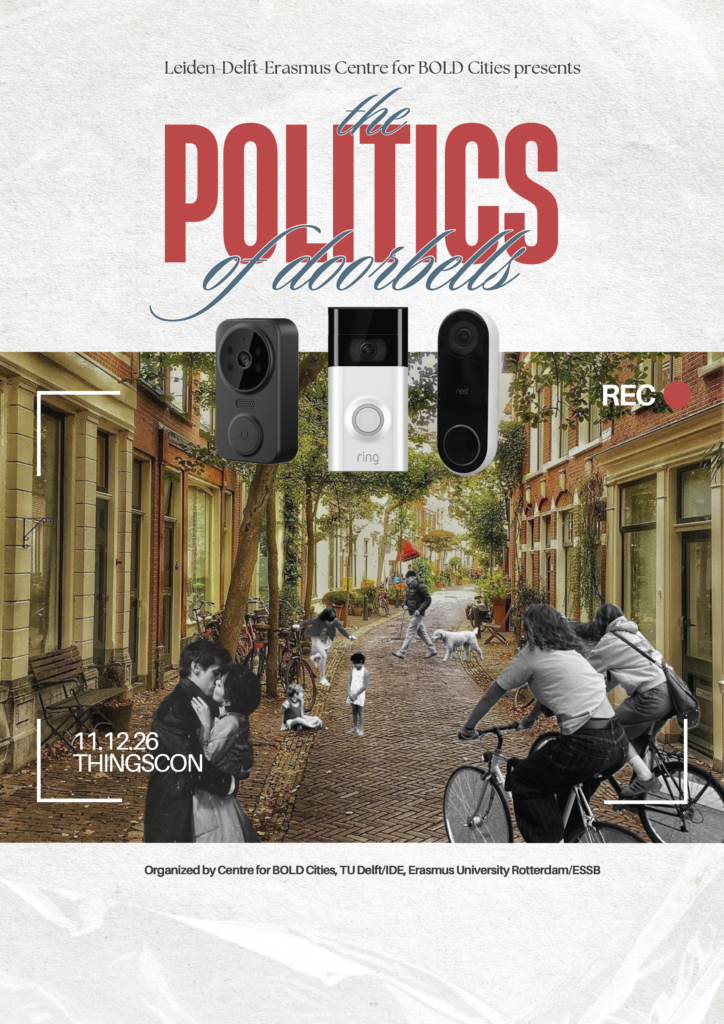
Smart doorbells have become an omnipresent feature of urban environments. These devices are often promoted as technologies of care. Marketing materials from companies such as Ring portray smart doorbells as extensions of human perception and memory. Such devices monitor in the owner’s absence, generate footage of friends and family at the front door, and provide alerts regarding potential risks to loved ones, pets, or property.
Yet the very capacities that allow these devices to this specific form of care also enable them to monitor everything else. They quietly record images, sounds, and movements, normalizing forms of surveillance that often fade into the background of everyday life. Moreover, the footage they generate is not only used by residents themselves, but may also be shared with police, and, in some cases, contribute to the development and training of artificial intelligence systems. As a result, smart doorbells occupy an ambiguous position between care and control, between protection and monitoring and between the watcher and the one being watched.
This ambiguity raises important questions. Who contributes of the smart doorbell? How can we start a conversation that considers the different meanings, experiences, and uses of these devices? Does the design of the doorbell shape its impact, or do our reasons for using it deserve more attention?
Organized as part of the ongoing research project Start Making Sense and developed by Erasmus University and TU Delft, this workshop for ThingCon investigates the politics of smart doorbells in both their design and application. By integrating perspectives from design and the social sciences, the workshop will examine how these seemingly mundane devices mediate practices of care and control and influence everyday social relations.
Bios of the hosts:
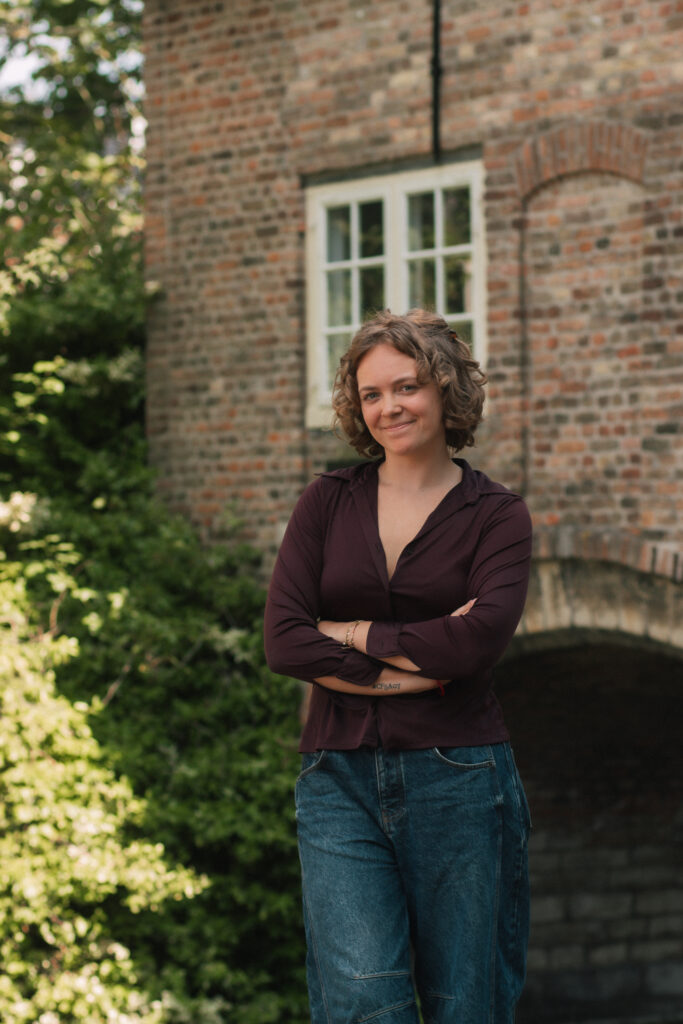
Kait Smith is a social designer who strengthens citizens’ agency over their lived environment by developing participatory practices and co-designing community systems with residents. Her work includes Square to Park, a participatory redesign of public squares in Rotterdam-West. A graduate of TU Delft’s MSc Design for Interaction, she founded Studio Kait, a consultancy helping organisations reach and build their communities.
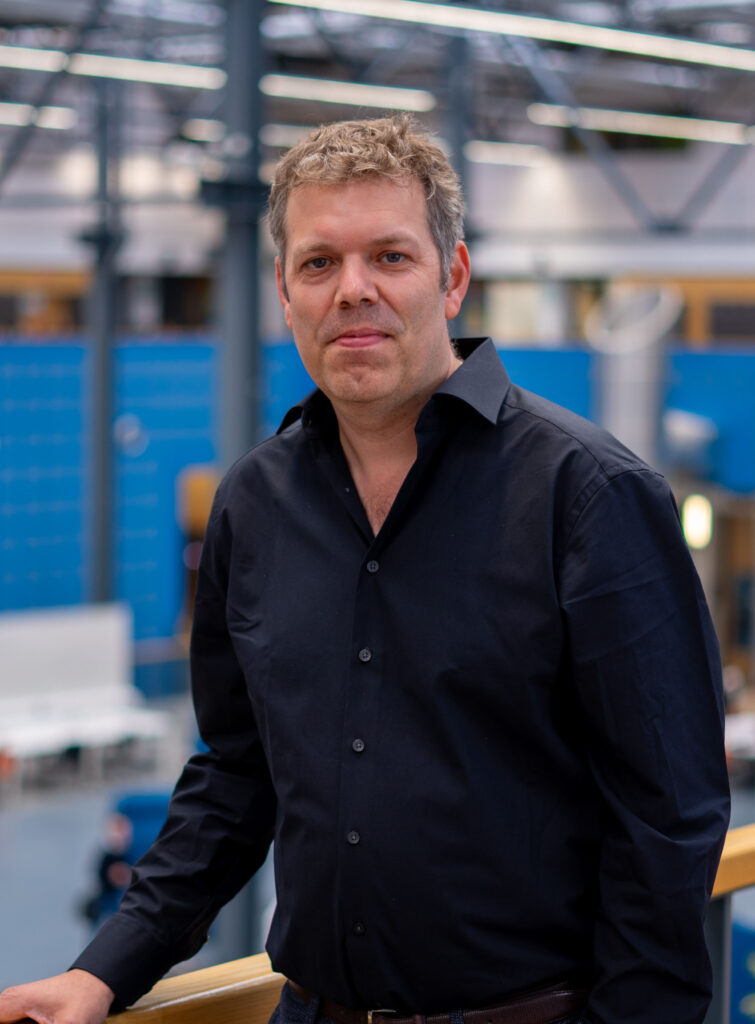
Dr. Laurens Kolks is an assistant professor at TU Delft’s Faculty of Industrial Design Engineering. As a designer and sociologist, he investigates how design can engender and support engagement with public issues, for instance via the enabling capacities of formgiving.
Arthur De Jaeger is a researcher at the Leiden-Delft-Erasmus Centre for BOLD Cities and currently coordinates Start Making Sense, a team-science research project on surveillance cameras in public space in Rotterdam.